Blog-03
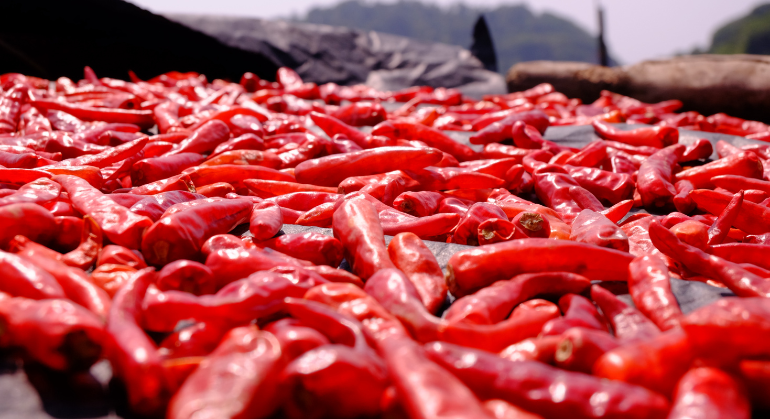
The best spice production by farmers involves careful planning, cultivation, harvesting, and post-harvest handling to ensure the highest quality, flavor, and aroma of spices. Producing top-grade spices requires a blend of traditional knowledge, modern agricultural practices, and strict quality control at every stage.
Key steps farmers follow for best spice production:
Selection of Quality Seeds or Planting Material: Choosing disease-free, high-yield, and high-aroma varieties suited to the local climate and soil conditions.
Soil Preparation and Management: Using well-drained, nutrient-rich soil, often with organic fertilizers and amendments to improve soil health and spice quality.
Adoption of Good Agricultural Practices (GAP): Implementing techniques such as proper spacing, intercropping, natural pest control (e.g., Integrated Pest Management), and minimal chemical use to ensure sustainable production.
Post-Harvest Handling: Proper drying (sun or mechanical), cleaning, sorting, and grading to preserve aroma, color, and flavor while preventing mold or contamination.
Packaging and Storage: Using moisture-proof, food-safe materials and maintaining appropriate storage conditions to retain freshness and prevent spoilage.
Benefits of Best Spice Production Practices:
Higher quality spices with stronger flavor, color, and aroma.
Better prices in local and international markets.
Lower risk of contamination and rejection during export.
Improved sustainability and soil health for future crops.
Stronger reputation for farmers and cooperatives.


