Blog-04
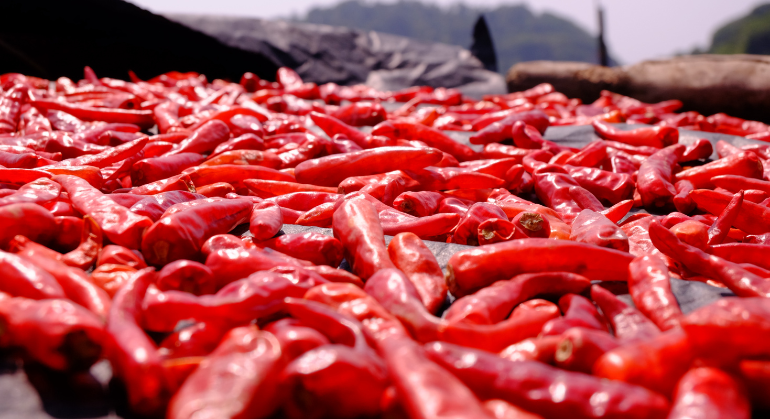
Export packaging of chilli is a crucial step that ensures the chillies are protected, preserved, and presented attractively for international markets. Proper packaging maintains the chilli’s quality — including its color, flavor, heat, and freshness — during transportation and storage, while also complying with export standards and regulations of the destination country.
Key aspects of chilli export packaging include:
Selection of Quality Seeds or Planting Material: Choosing disease-free, high-yield, and high-aroma varieties suited to the local climate and soil conditions.
Soil Preparation and Management: Using well-drained, nutrient-rich soil, often with organic fertilizers and amendments to improve soil health and spice quality.
Adoption of Good Agricultural Practices (GAP): Implementing techniques such as proper spacing, intercropping, natural pest control (e.g., Integrated Pest Management), and minimal chemical use to ensure sustainable production.
Post-Harvest Handling: Proper drying (sun or mechanical), cleaning, sorting, and grading to preserve aroma, color, and flavor while preventing mold or contamination.
Packaging and Storage: Using moisture-proof, food-safe materials and maintaining appropriate storage conditions to retain freshness and prevent spoilage.
Benefits of Good Export Packaging:
Maintains chilli quality and extends shelf life.
Prevents physical damage and loss of market value.
Ensures compliance with destination country regulations.
Enhances the brand image and customer satisfaction.


